
Our History
The ASO was founded in 1962 by Leopold Stokowski, with a mission of making orchestral music accessible and affordable for everyone. Music Director Leon Botstein expanded that mission when he joined the ASO in 1992, creating thematic concerts that explore music from the perspective of the visual arts, literature, religion, and history, and reviving rarely-performed works that audiences would otherwise never have a chance to hear performed live.
Our Mission
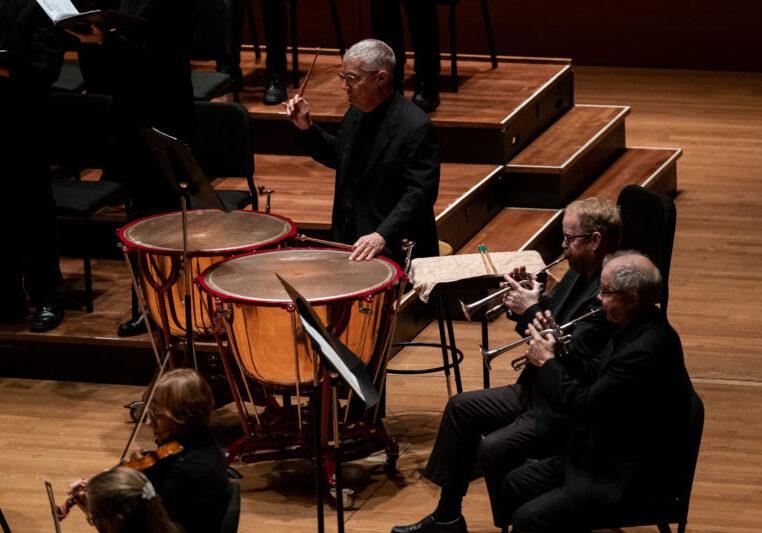
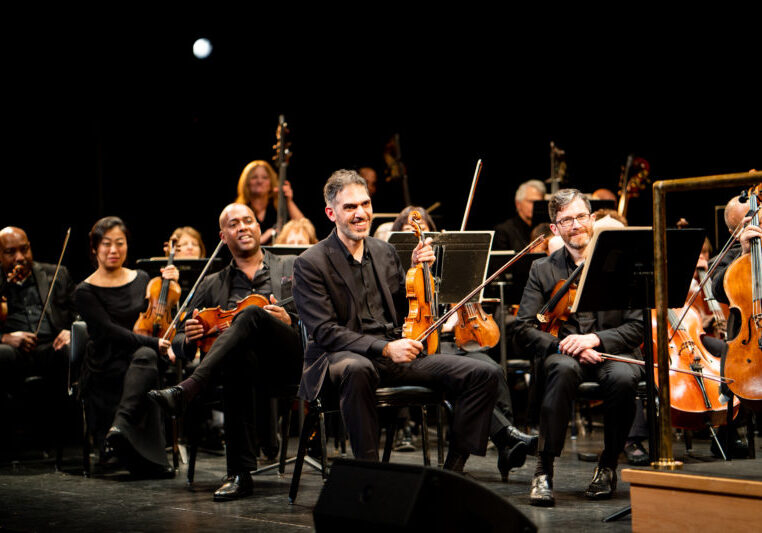
The mission of the ASO is to renew live orchestral music as a vital force in contemporary American culture. To this end, the ASO presents thematic programming, in which musical works are curated around ideas drawn from a variety of disciplines such as history, visual arts, science, politics and literature. ASO pursues innovation in concert presentation and is devoted to the promotion of musical education.
Music Director
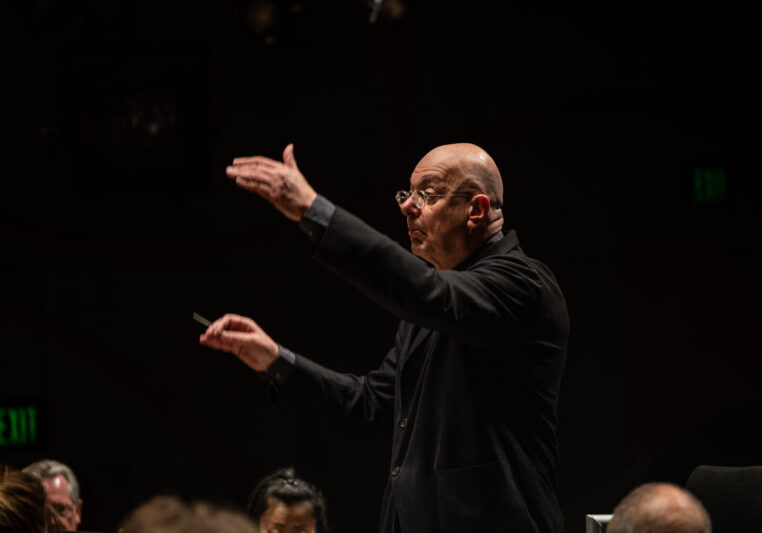
Leon Botstein has been music director and principal conductor of the ASO since 1992. He is also music director of The Orchestra Now, an innovative training orchestra composed of top musicians from around the world. He is co-artistic director of Bard SummerScape and the Bard Music Festival.
The Orchestra
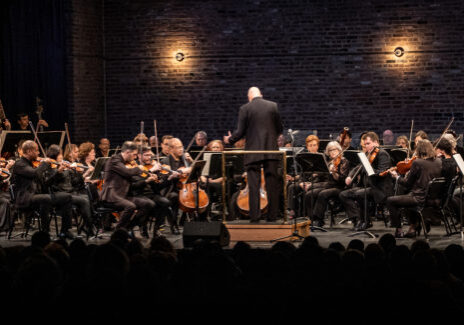
The ASO’s signature programming includes its Vanguard Series, which features concerts of seldom- performed orchestral repertoire presented at Carnegie Hall, Bryant Park, and other historic venues, and its Chamber Series—curated by ASO’s musicians—which features concert programs dedicated to reflecting the diverse perspectives of American culture.